COMMET
Peace for Women – West Nile – Arua region, Uganda
Who am I and what have I done?
My name is Abaru Peace, and I have a background in community development, holding a degree in Social Work and Social Administration, and I have Ubuntu in my veins. That is why I am a long-time COMMEET Fellow. With the support of COMMEET Fellows Edith Okupa and Sigfried Janzing I founded Peace for Women-West Nile, making it my mission to empower women bottom-up in both rural and urban areas through education, economic independence and leadership opportunities, while reducing gender-based violence (GBV) and gender inequality (SDG 5). I am also one of the authors of the COMMEET Women’s Empowerment Toolkit.
What is the context?
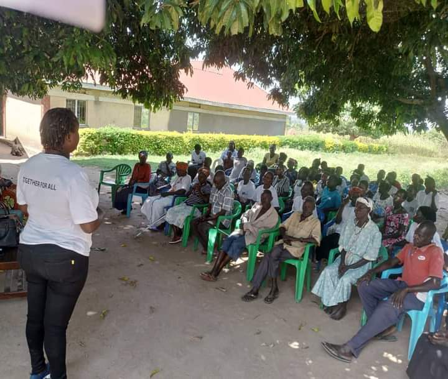
Peace for Women-West Nile operates in the West Nile sub-region in northwestern Uganda, whose infrastructure is still developing. Key urban centres like Arua have relatively better roads, healthcare facilities electricity and communication systems, but this is limited in rural areas. West Nile is home to a significant refugee population from South Sudan and is home to diverse ethnic groups. It has entrenched patriarchal cultural norms, so practices such as early marriage, dowry customs and gender-based roles have historically limited women’s opportunities. The informal economy thrives, but women entrepreneurs face significant hurdles in scaling up due to limited access to markets, resources and financial services. Women usually lack collateral, financial literacy and education.
What have been the challenges and opportunities?
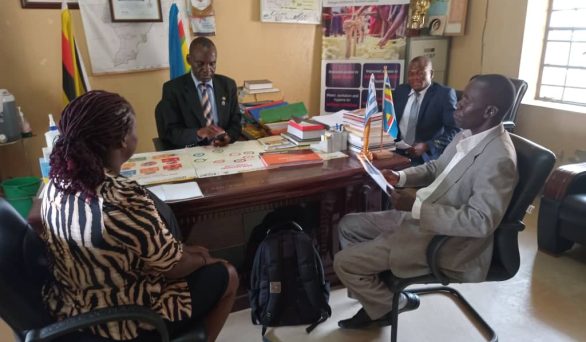
We continue to face socio-cultural barriers, political instability, funding competition and potential backlash from conservative groups or individuals resistant to gender equality reforms. Our finances are limited, and we lack technological means and skills. On the other hand, we are seen as passionate advocates and are trusted. We also notice growing global support for gender equality, growing partnerships with international NGOs like COMMEET and local leaders, growing youth engagement, and widening technological tools, but again we are not there yet.
What has been our impact?
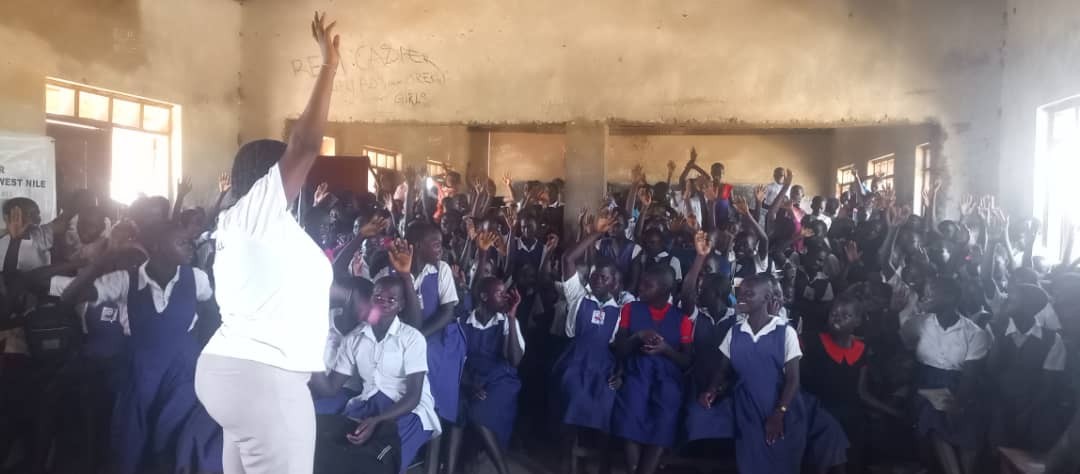
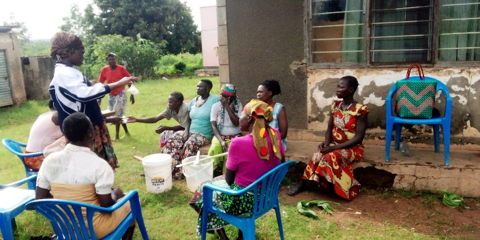
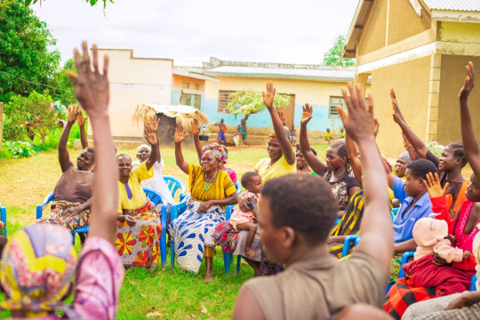
- Increased awareness and reduction in GBV cases, and more supportive community responses, through e.g. Community Dialogue Sessions.
- Engaging men as key allies in promoting gender equality and reducing GBV, through workshops.
- Higher school retention rates for girls, through educational initiatives.
- Gradual cultural shift towards gender equality away from patriarchal thinking, enabling more women to participate in business, advocacy and social enterprises.
- Reduced early-marriage rates.
- More women with marketable skills because of vocational training.
- Improved economic status for women, as many now have a stable income.
- Stronger community solidarity and support networks.
- Improved mental well-being, resulting in a stronger, more resilient community.
COMMEET
What is next?
GBV remains high and the road to gender equality remains long and extremely difficult, so things are not fine and our work is far from done at. As a non-profit organisation we depend on donations, which we keep investing in training and mentoring local women and staff. We wish to widen educational programmes to improve women’s livelihoods, while seeking partners worldwide to bolster our efforts.
If you are interested in this specific COMMEET project, or in the work that we are doing in Uganda, please get into a conversation with me:
Abaru Peace, COMMEET Fellow
ABARU PEACE – Euphrates Institute | LinkedInl
PEACE FOR WOMEN-WEST NILE | LinkedIn
abarupeace@gmail.com
I really look forward to talking to you. And if you like what you hear, please feel free to make a labelled donation here already towards our valuable work in Uganda.