COMMEET
Water monitoring in KwaZulu-Natal
What is my personal and professional story?
I grew up on the banks of the uMzimkulu river in KwaZulu-Natal. One of the worlds few large rivers that has no dam from source to mouth. And, for most of its length the river is drinkable. One hundred years ago all the rivers in South Africa were drinkable where they enter the sea. Sadly, just one hundred years of human development has meant that not one river is left that you can safely drink where it enters the sea. How sad is that? What can we do about?
One thing we can do is engage in water monitoring and work with the wider COMMEET partnership for sustainability.
Whether one lives in a township, a townhouse, on a farm, or in an informal settlement, everyone would like a better, more sustainable environment. It is simply part of who we are. For starters, we need clean air, clean water, and healthy food for our families. This is why I have been working towards improved freshwater resource management, which in turn requires water quality monitoring.
What is the urgency?
“With money we can build factories, dams and towns. But no amount of money can make a river” Sadly, all over the world, our rivers are being destroyed. The life-giving water, provided free for all, by nature, is no longer safe to drink. Often times it is polluted or running out. And for many, access to clean water is a huge challenge.
Freshwater is growing scarcer and more polluted in South Africa. Across Africa, sewage systems are leaking and contaminating the country’s freshwater. Contaminated freshwater leads to tragedies such as the 2023 cholera outbreak in South Africa’s Hammanskraal region when 40 people lost their lives to drinking contaminated water.
Water and waste rich in nutrients ends up in waterways. Nutrient pollution comes mainly from poorly functioning sewage treatment works, runoff from fertilised farm-land, and waste from cattle feedlots and chicken houses. When it runs into rivers and dams, it can lead to the growth of toxic blue green algae blooms (cyanobacteria) and E. coli.
What are our challenges and opportunities?
Conventional monitoring methods are often inhibited by financial, infrastructural and human capacity limitations, especially in developing regions. A critical quality metric in river systems and wastewater treatment works (WWTW) effluent in Southern Africa is total suspended solids (TSS) concentration. This is expensive and complicated.
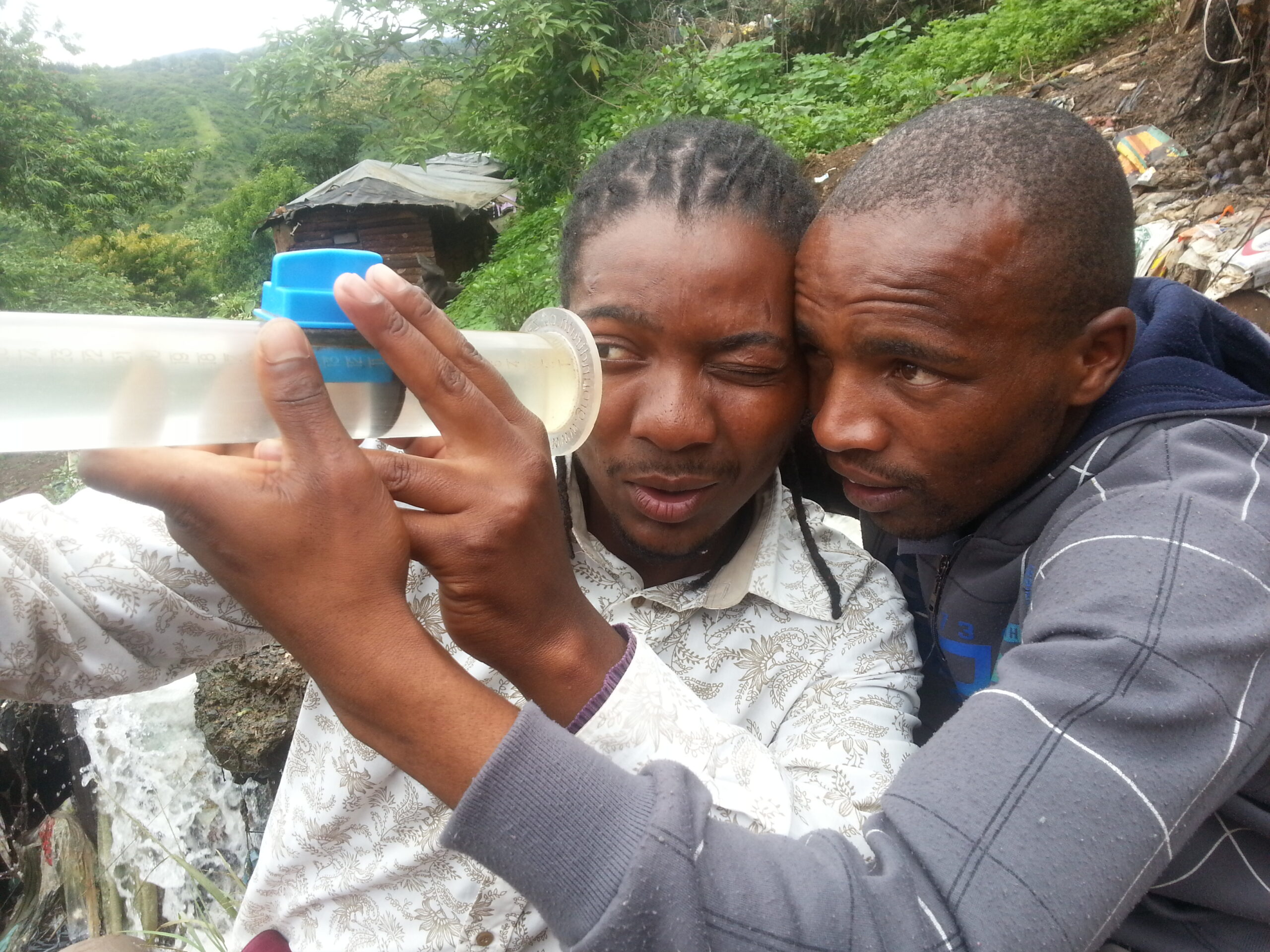
On the other hand, citizen‐scientist‐operated transparency or clarity tube for measuring water clarity as an alternative is neither expensive nor complicated. Besides, clarity tubes provide a relatively accurate and precise alternative to TSS and can be used to estimate WWTW compliance with WWTW effluent TSS concentration regulations. Research shows the usefulness of clarity tubes as low‐cost, accessible and easy‐to‐use citizen science tools for water quality monitoring, not only in rivers in Southern Africa but also with strong global relevance to SDG 6 for ensuring safe access to water and sanitation for all, by involving communities in water and sanitation monitoring and management.
Citizen scientists to the rescue
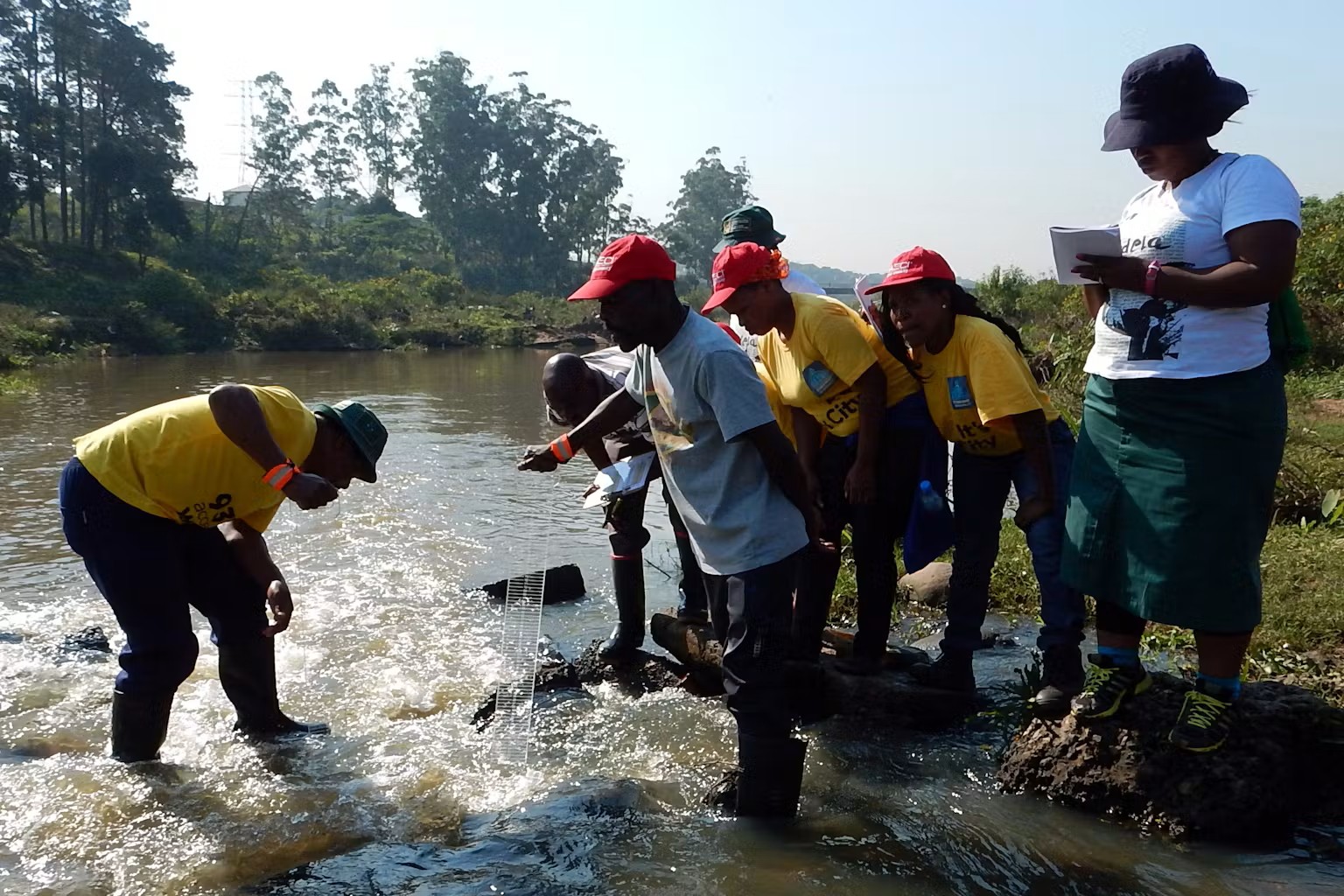
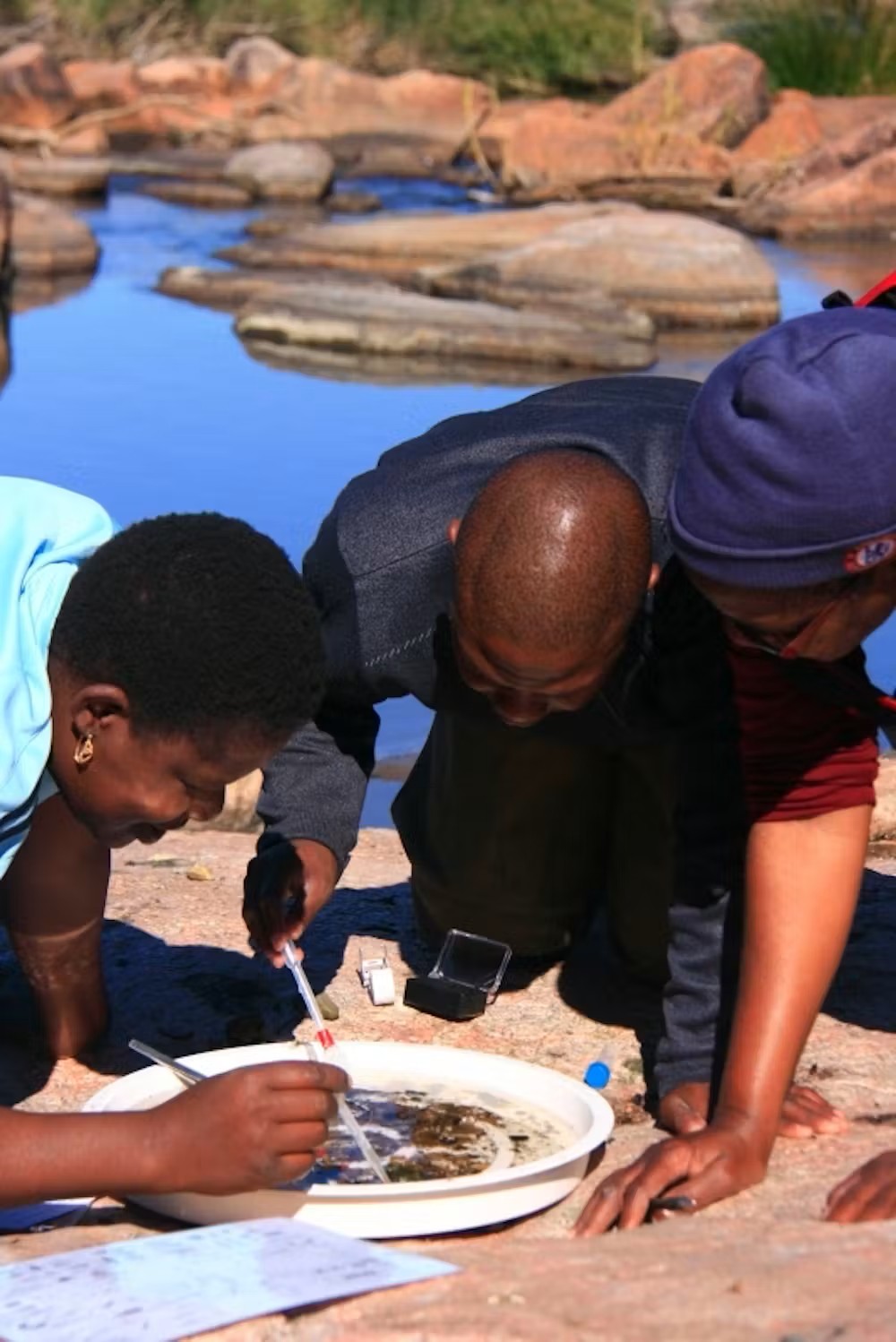
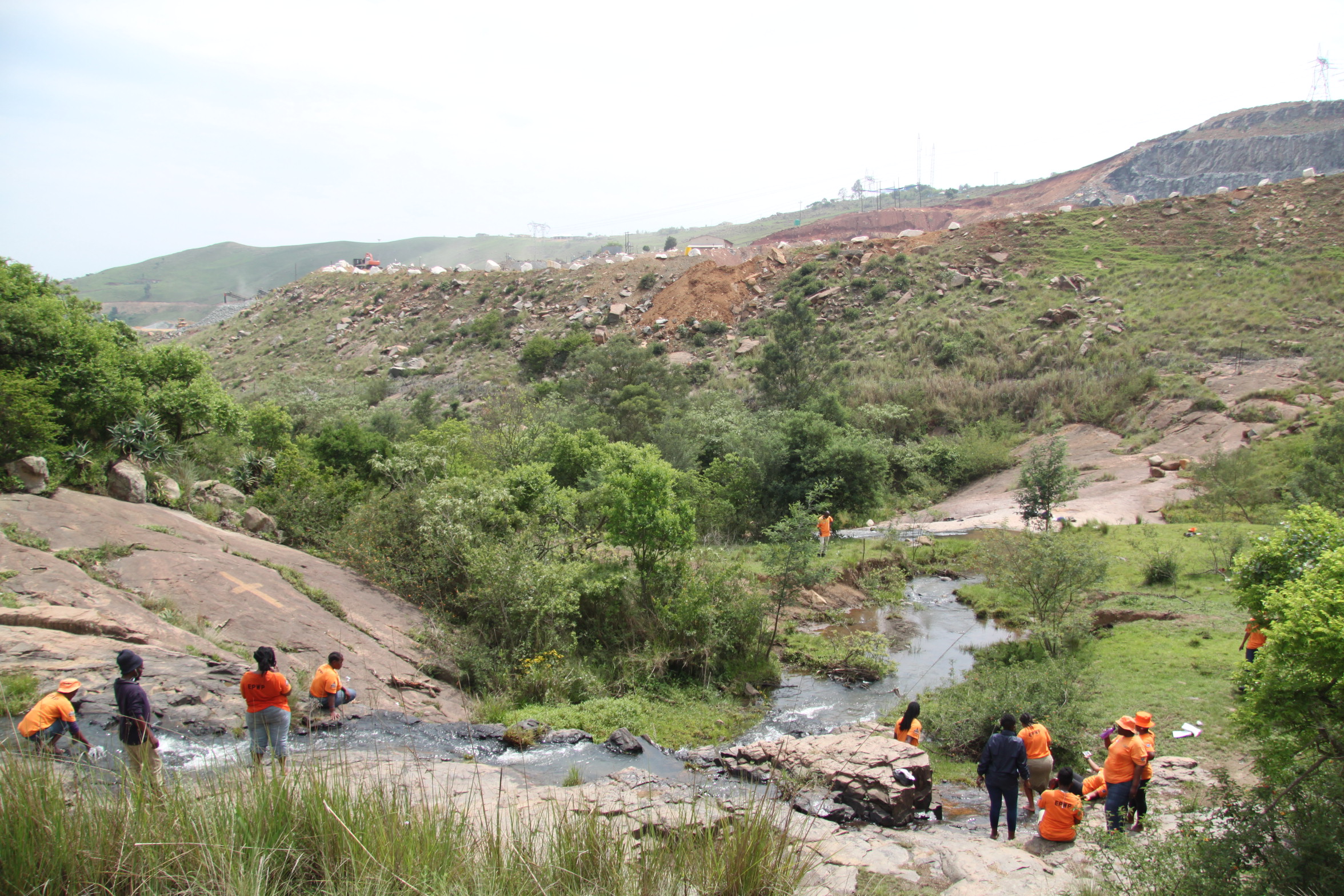
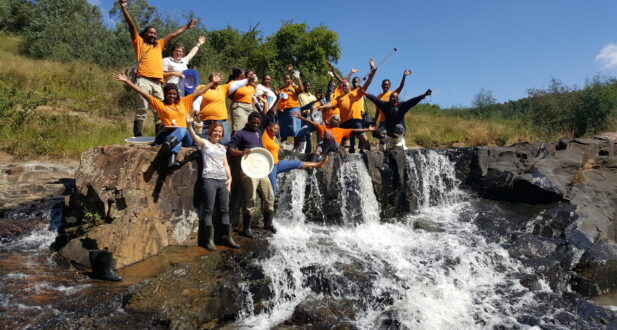
The Enviro-Champs citizen scientists started carrying out water quality checks using clarity tubes. They sometimes repaired leaks and removed litter and solid waste that had been dumped. They also visited people at home to talk about waste, hygiene and sanitation issues. Through the network’s efforts, the 104 manholes that the Enviro Champs had been monitoring stopped leaking sewage by 2016. Currently an app with the capacity to upload photos, videos and GPS co-ordinates to a database in real-time is now in use, further boosting the prevention of pollution hazards.
COMMEET
Are we done? No!
For the currently used app there is little funding for maintenance, including upgrades and customisation, which costs a monthly fee. Mobile data is also a serious concern, especially in poorer rural areas where any extra expenses the Enviro-Champs incur can deter them from participating. And plenty more issues that I will gladly fill you in on… If you are interested in this specific project of a COMMEET Fellow, or in the work that we are doing in South Africa, please get into a conversation with me:
Jim Taylor, COMMEET Fellow
https://www.linkedin.com/in/jim-taylor-b246241ab/
+27 82 458 0976 / jimtaylor835@gmail.com.
I really look forward to talking to you. And if you like what you hear, please feel free to make a donation to our home organisation.