COMMEET
The Greater uMngeni Catchment Biosphere Reserve in KwaZulu-Natal
What is my personal and professional story?
I started working for WESSA (the Wildlife and Environment Society of South Africa) in 1982 based at the uMngeni Valley Nature reserve near Howick in KwaZulu-Natal. In 2007 we formed the KwaZulu-Natal Regional Centre of Expertise (RCE), and since then I have worked on many collaborative projects to further Education for Sustainable Development in South Africa and further afield. One exciting project was developing an educational programme involving all 9 Nile Basin countries. Later, working with Jos and Peter, we developed a southern African chapter of COMMEET and that’s where we are today. One of our key projects is the development of a UNESCO recognised Biosphere. This initiative is also part of a wider COMMEET partnership for sustainability.
Our Focus
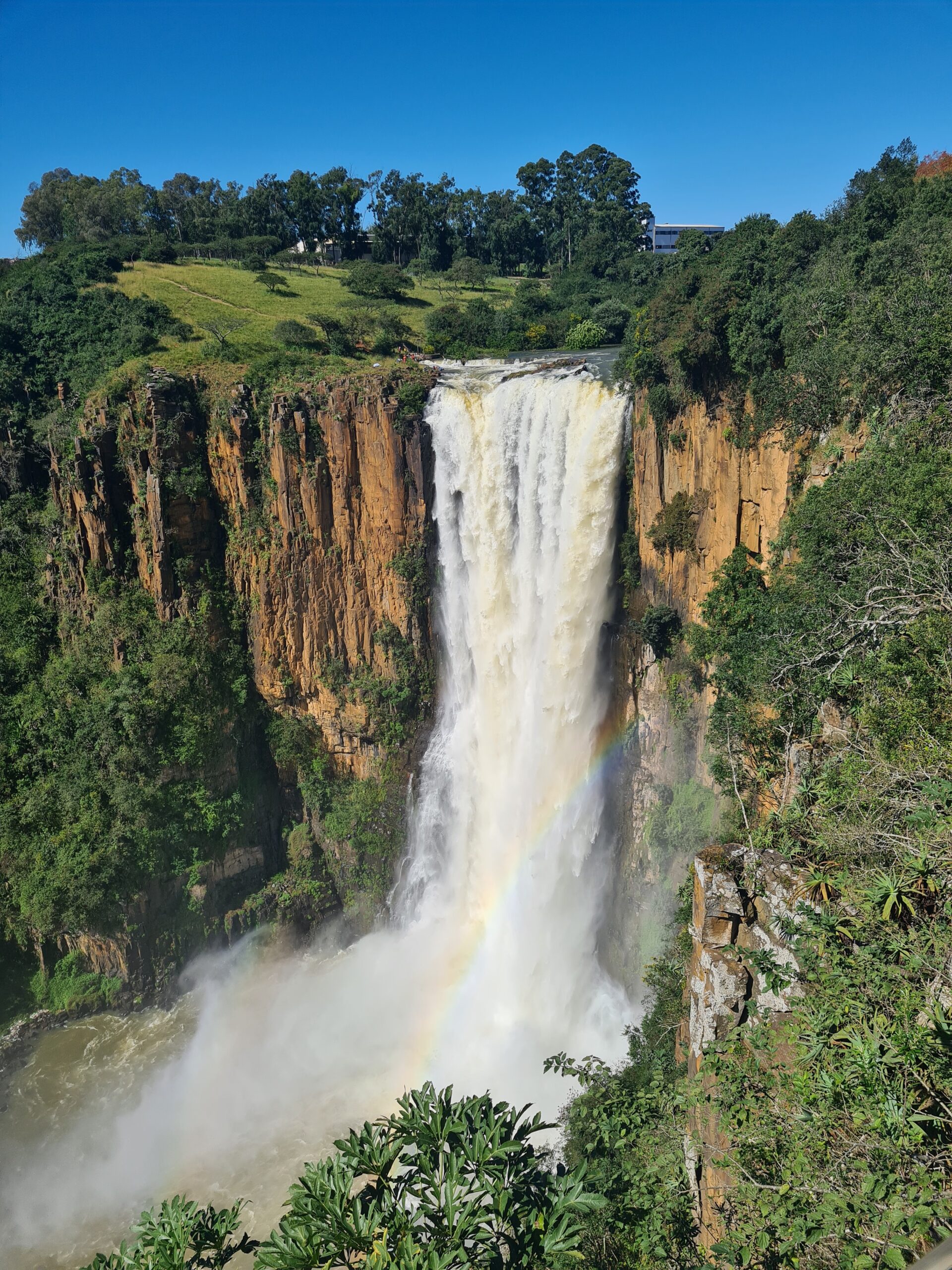
Everyone would like clean air, clean water and healthy food. We also want good schools, reliable service delivery, no crime and accessible medical facilities. The answer – our answer – is sustainable practices through the creation of a biosphere reserve. Where biospheres are working well, around the world, societies are being transformed. And we have a huge biosphere opportunity, right here and right now!
The first official Biosphere in KwaZulu-Natal?
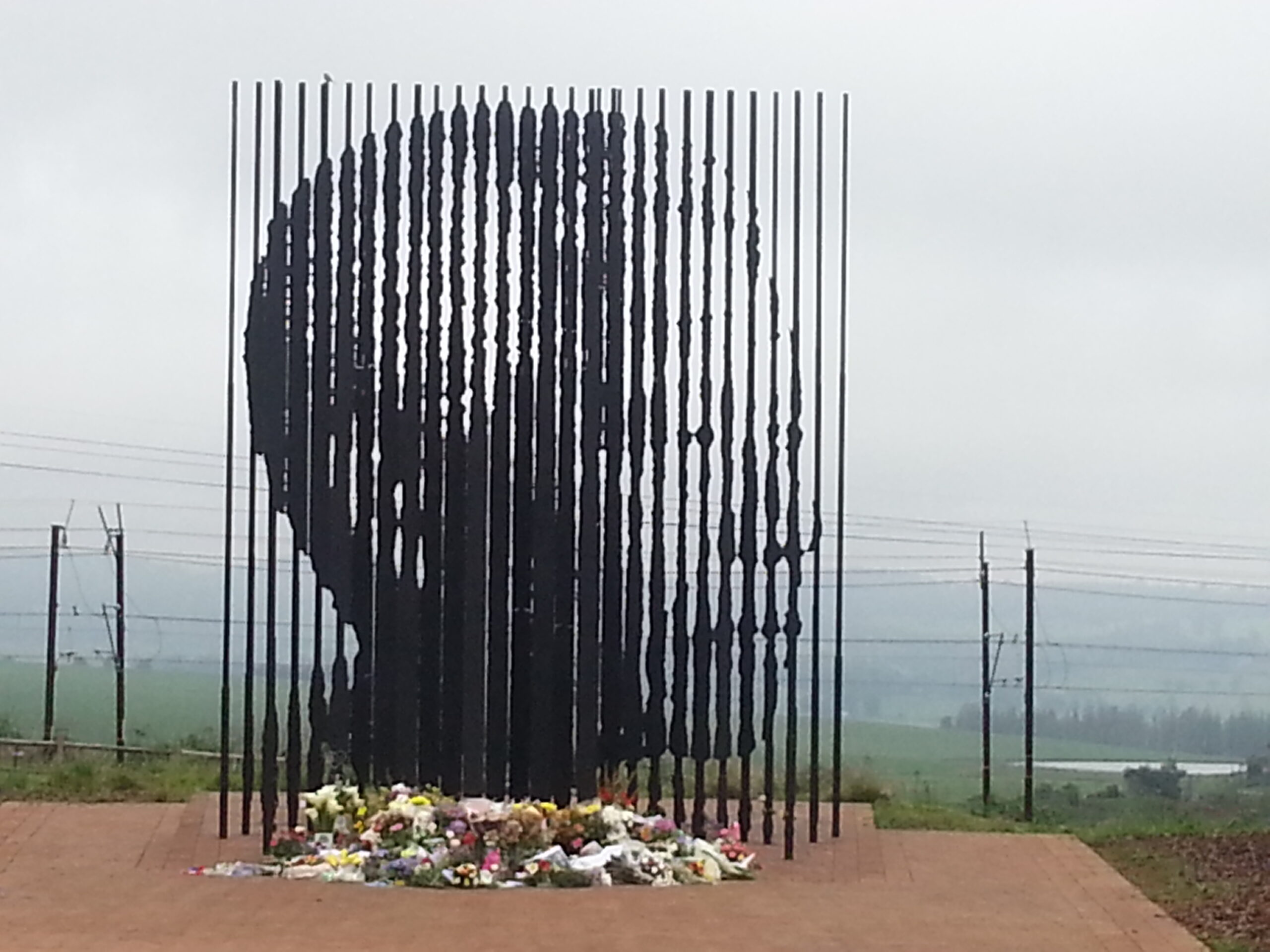
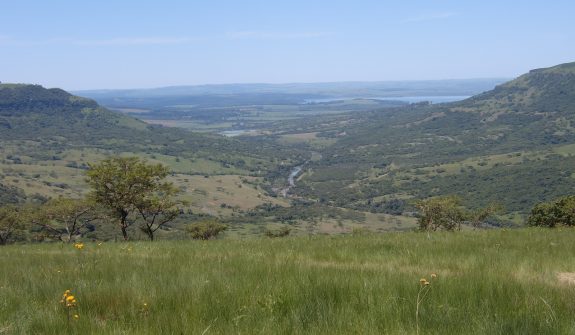
What makes biosphere reserves special is that they include Living Landscapes, where we live; Livelihood Landscapes, where we work and obtain food; and Learning Landscapes, where we learn about our environment. What makes our Greater uMngeni Catchment Biosphere Reserve (GuCBR) special is its strong commitment to social transformation. There are 797 biosphere reserves in 145 countries worldwide, but despite its illustrious conservation history, KwaZulu-Natal has no officially recognised UNESCO biosphere reserve. High time that it has!
What support is there and where are we now?
After more than 50 stakeholder consultations, and developed under the auspices of WESSA, the GuCBR concept is supported by more than 40 organisations, including representatives of business and industry, landowners, land managers, schools, universities, game reserves, and local, provincial and national government. Recognising our submission, the National Minister of Forestry, Fisheries and the Environment, Minister Willie Aucamp, acknowledged the intended biosphere reserve. The nomination dossier is now be taken through intergovernmental processes, which are well underway.
COMMEET
What is next?
The GuCBR is now a candidate biosphere reserve and will, hopefully, be approved by Cabinet for submission to UNESCO in September 2026, for consideration by the UNESCO International Coordinating Council in June 2026. Once this is achieved, our submission will then go to UNESCO’s Man and the Biosphere (UNESCO-MAB) Programme in Paris. If all goes smoothly, our GuCBR will be formally acknowledged by UNESCO in June 2027.
We invite all people committed to a more sustainable future for all to join us in strengthening our Biosphere actions and practices. If you are interested in this specific project of a COMMEET Fellow, or in the work that we are doing in South Africa, please get into a conversation with me:
Jim Taylor, COMMEET Fellow
https://www.linkedin.com/in/jim-taylor-b246241ab/
+27 82 458 0976 / jimtaylor835@gmail.com.
Alternatively, please contact our GuCBR Chairperson, Ms Tembeka Dambuza:
+27 83 651 8748 / 4Tembeka@gmail.com.
The GuCBR also has an active WhatsApp group which is open to all. I really look forward to talking to you. And if you like what you hear, please feel free to make a donation to our home organisation.