COMMEET
Anti-racism
What is my personal and professional story?
I worked for WESSA (the Wildlife and Environment Society of South Africa) for 35 years supporting environmental education and human capacity development for sustainability. In 2007 we formed the KwaZulu Natal Regional Centre of Expertise (RCE), a collaborative initiative, recognised by the United Nations University, through which partners undertake projects in support of sustainability. Today we are proud to be part of a southern African chapter of COMMEET which helps strengthen partnership for sustainability.
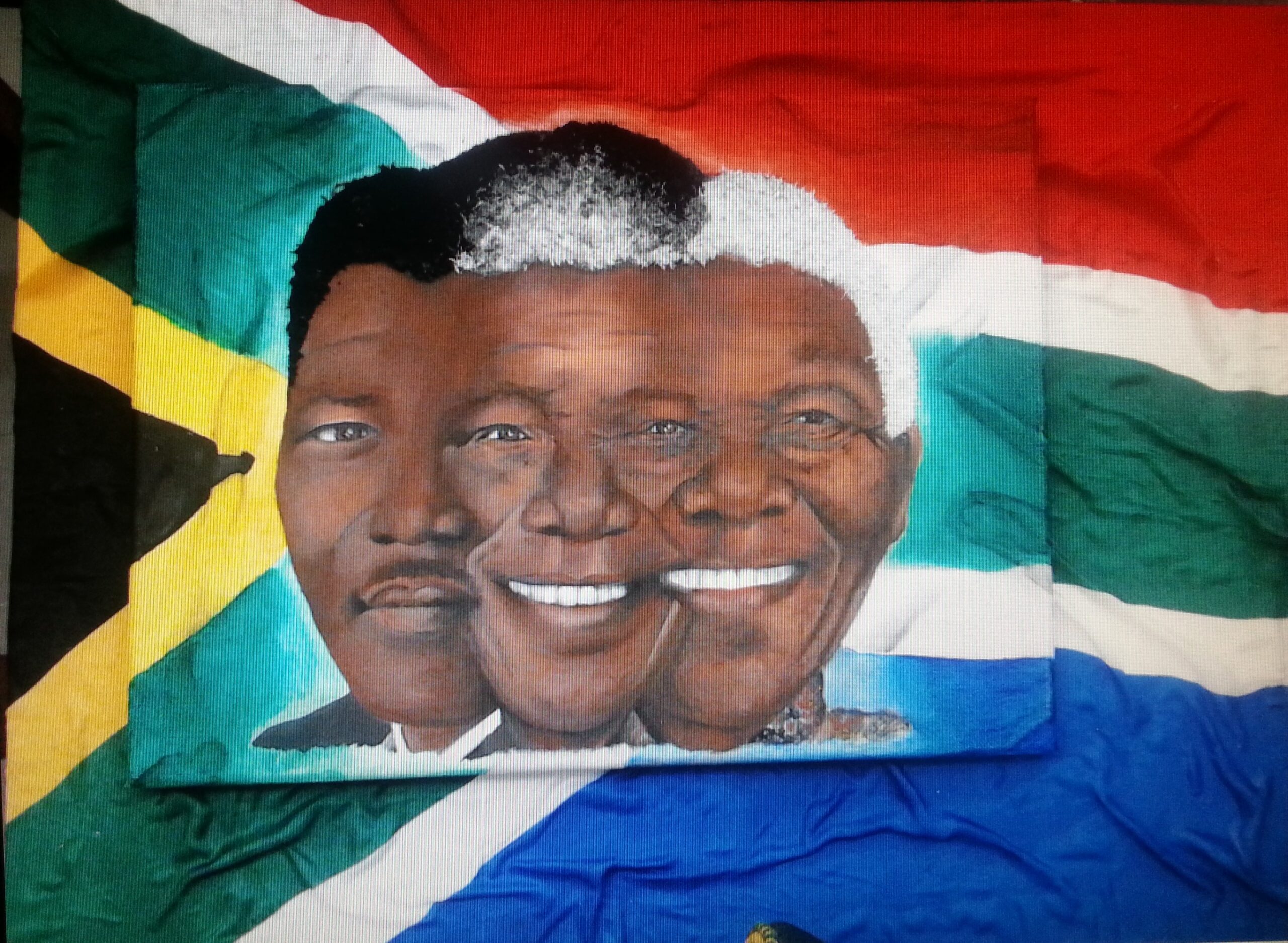
One of our projects in this regard has been developing an Anti-racism Toolkit. A statement from the toolkit reads: “No one is born hating another person because of the colour of his skin, or his background, or his religion. People must learn to hate, and if they can learn to hate, they can be taught to love, for love comes more naturally to the human heart than its opposite.” (Nelson Mandela).
Where do we stand with equal rights? Can we align opposing views?
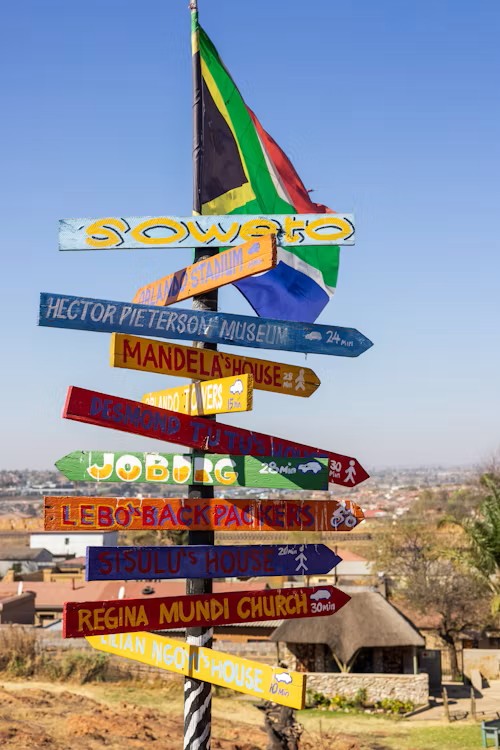
White minority rule dominated South African politics from 1949 until the first democratic election in 1994. The transition to democracy was long and painful and marked with tragic racist dominance, violent protests, and a long liberation struggle. By 1996 Nelson Mandela was the elected leader of the government of national unity, the first democratically elected parliament in South Africa’s history. Although democratically elected, Members of Parliament represented many diverse interests and political persuasions. Interesting debates ensued, and the rich dialogue that the inclusive parliament enabled was healthy for the developing nation. Pivotal to all this work is the South African constitution which has, as one of its three main pillars: The Right to a healthy Environment.
Sadly, old inequalities and prejudices are still evident today. However, most importantly of all, we can learn to change and become more respectful of each other. In isiZulu there is a saying uMuntu Ngomuntu Ngabantu: “people are people through other people”. This is a beautiful statement that captures the inclusivity of humanity. In other words, no person is an island. It also outlines how people are more similar than cultures. So, whether one grows up as a Russian, an American or a Zulu, one’s similarities with others could well be stronger than the so-called cultural differences.

What has been our impact?
It is often pointed out that the inspiration for significant changes in society can never me fully measured or understood. What we do know, however, is that in South Africa people are currently more tolerant of each other and the majority of people proudly embrace a society without discrimination. In each person’s small, but not insignificant way we can all strengthen the dream of our proud rainbow nation.
COMMEET
Are we done? No!
The work for an inclusive, more sustainable society is never done. What is for sure is that there is hope and a remarkable widespread commitment to a brighter future.
If you are interested in this specific project of a COMMEET Fellow, or in the work that we are doing in South Africa, please get into a conversation with me:
Jim Taylor, COMMEET Fellow
https://www.linkedin.com/in/jim-taylor-b246241ab/
+27 82 458 0976 / jimtaylor835@gmail.com.
I really look forward to talking to you.
And if you like what you hear, please feel free to make a donation to our home organisation.